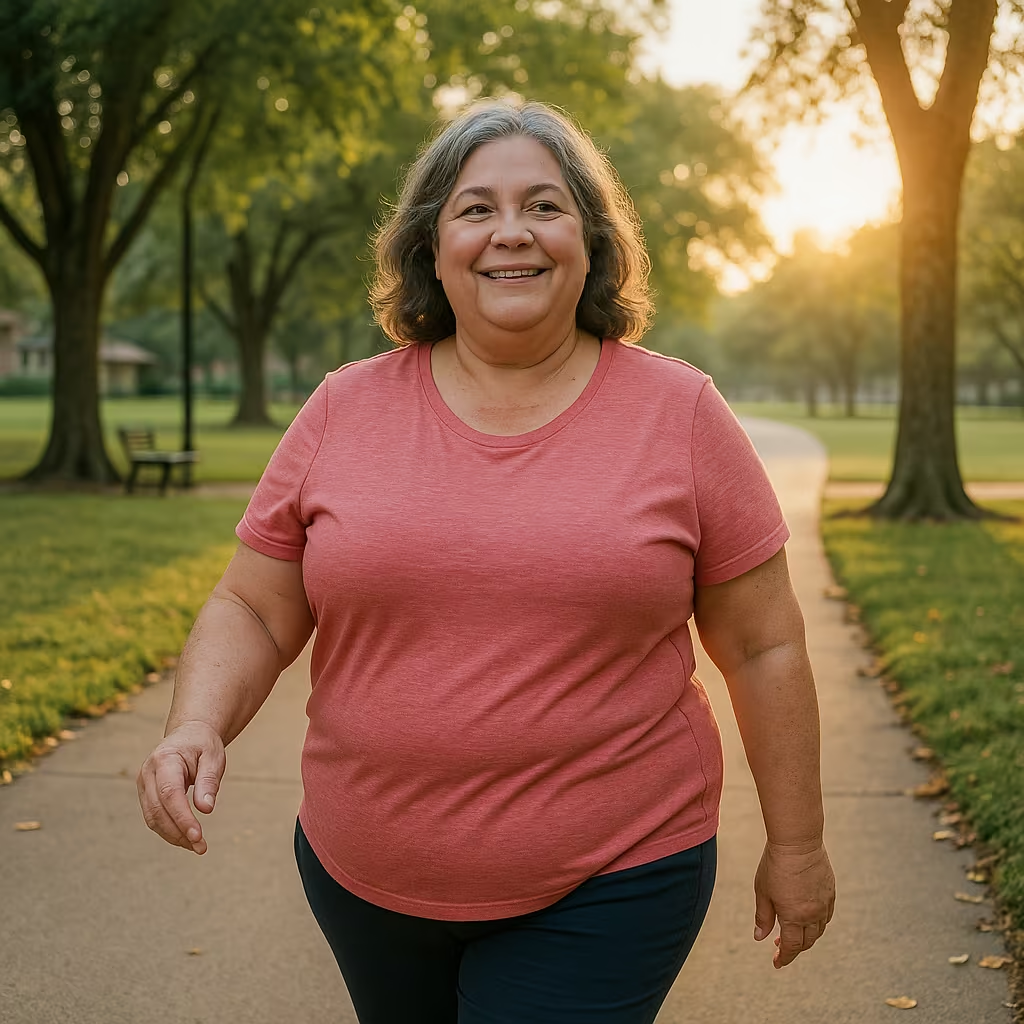
Bariatric surgery remains safe and effective for adults over 50 when guided by a proper evaluation of overall health rather than age alone. Research and our experience in Huntsville show significant, lasting improvements in diabetes, heart health, sleep apnea, mobility, and quality of life, making surgery a strong option for mature adults seeking long-term weight loss and better health.
If you’re over 50 and considering bariatric surgery, you might wonder if you’ve missed your opportunity. Maybe friends or family have suggested you’re “too old” for such a significant procedure, or maybe you’re concerned about recovery at your age. These are natural concerns, but they shouldn’t keep you from exploring what could be a life-changing decision.
According to the 2022 ASMBS/IFSO guidelines, there’s no age limit for bariatric surgery. What matters more is your overall health status, not your chronological age. Studies show that bariatric surgery can provide substantial, sustained weight loss, often more than 60% of excess weight, and meaningful health improvements even in patients over 70.
We work with many patients over 50 who are seeking effective, long-term weight loss solutions, and we serve patients throughout North Alabama with years of experience helping mature adults reach their health goals through surgical weight loss.
Many adults over 50 make excellent candidates for bariatric surgery. Research on older Medicare patients who’ve had bariatric surgery has found significant health improvements following surgery, with diabetes remission rates remaining high years later. The landmark Swedish Obese Subjects study, which followed patients for two decades, found substantial improvements in diabetes, hypertension, and sleep apnea, with benefits documented for up to 20 years after surgery.
In this guide, we’ll cover why age shouldn’t be a barrier to considering bariatric surgery, what our evaluation process involves, and how our comprehensive approach helps ensure good outcomes for patients in the Huntsville area and beyond.
Understanding Age and Surgical Candidacy
When it comes to bariatric surgery, chronological age is just one factor among many we consider. How well your body functions, your physiological age, is often more important than the number of years you’ve lived.
ASMBS guidelines emphasize that successful bariatric surgery depends more on physiological status than chronological age. During our evaluation process, we focus on several areas that research shows better predict surgical success: frailty, cognitive capacity, organ function, and overall disease burden.
Published evidence shows that while patients over 50 may have slightly increased postoperative risks, the improvement in obesity-related conditions and long-term health outcomes tends to be substantial. In our experience with mature patients, proper preoperative evaluation and individualized surgical planning are key to achieving strong results.
The 2022 ASMBS guidelines confirm that bariatric surgery can be performed safely on older adults when proper protocols are followed, and importantly, ASMBS doesn’t set an upper age limit, instead recommending careful evaluation of physiological status and individualized decision-making. The key is a thorough preoperative assessment and careful selection of the most appropriate surgical approach for each person. Evidence from large-scale studies shows a real survival benefit for older adults who undergo metabolic and bariatric surgery, with documented improvements in obesity-related disease extending for decades.
Our experience with mature patients in the Huntsville area has reinforced the importance of individualized care. Some patients over 50 may be ideal candidates for less invasive procedures, while others might benefit from more comprehensive surgical approaches. The decision always depends on individual health factors, weight loss goals, and personal circumstances.
Recovery considerations for mature adults often focus on ensuring adequate protein intake, maintaining bone health, and preventing muscle loss during the weight loss phase. We address these factors carefully in the care plan we develop for each patient.
Health Benefits for Mature Adults
The potential health benefits of bariatric surgery for adults over 50 can be especially significant, since this age group often deals with multiple obesity-related health conditions that have developed over years or decades.
Diabetes Management and Resolution
Research following older adults after bariatric surgery has found sustained improvement in diabetes control for years afterward, with many patients reaching complete remission. These findings align with what we see regularly in our own practice. We’ve observed that patients over 50 often see rapid improvement in their diabetes management, sometimes within weeks of surgery, consistent with published evidence showing that bariatric surgery can lead to complete remission of type 2 diabetes in many cases, with effects lasting for decades according to long-term follow-up studies.
Cardiovascular Health Improvements
Large-scale studies show that bariatric surgery leads to meaningful improvements in heart health. For adults over 50, this matters especially since cardiovascular disease risk increases with age. Patients typically see real reductions in blood pressure, improvements in cholesterol levels, and decreased strain on the heart.
These improvements tend to translate into reduced need for medications, lower risk of heart attack and stroke, and better exercise tolerance. Many patients find they can return to activities they enjoyed in younger years but had given up due to weight-related limitations.
Sleep Apnea and Breathing Improvements
Sleep apnea becomes more common with age and excess weight, creating a double challenge for adults over 50. In our practice, substantial weight loss often leads to dramatic improvement in sleep apnea, with many patients able to reduce or eliminate their dependence on a CPAP machine.
Better sleep quality can have cascading effects on overall health, improving energy, mood, cognitive function, and immune system performance. For mature adults, these improvements can be especially meaningful.
Joint Health and Mobility
Arthritis and joint problems often worsen with age and excess weight. It’s well established in the medical community that significant weight loss can dramatically reduce stress on weight-bearing joints, particularly knees, hips, and ankles.
Patients over 50 frequently report real improvement in joint pain and mobility following bariatric surgery, which can mean returning to activities like gardening, walking, or playing with grandchildren that may have become difficult or impossible due to joint pain and excess weight.
Mental Health and Quality of Life
The psychological benefits of successful bariatric surgery extend beyond improved self-esteem. Research shows that many patients experience reduced symptoms of depression and anxiety, improved social functioning, and greater overall life satisfaction.
For adults over 50, these improvements can be especially meaningful as they approach retirement years and want to maintain independence and vitality. The confidence that comes with improved health and mobility can open doors to new experiences and relationships.
Considering bariatric surgery after 50? Call 256-265-1890 to schedule a consultation. We’ll help you understand whether you’re a candidate and talk through your individual circumstances.
What to Expect: Process and Recovery
Understanding our evaluation process and recovery expectations can help ease concerns about bariatric surgery after 50. Our comprehensive approach ensures patients are well-prepared for every step of their journey.
Comprehensive Evaluation Process
Our evaluation begins with a detailed medical history and physical exam, reviewing all current medications, previous surgeries, and any ongoing health conditions. We take particular care to understand how weight has affected each patient’s quality of life and what goals they hope to achieve through surgery.
Nutritional assessment is a crucial part of this, especially for mature adults who may have developed vitamin deficiencies or eating patterns that need modification. A registered dietitian works with each patient to identify their current nutritional status and build strategies for success after surgery.
Psychological evaluation helps make sure patients understand the lifestyle changes long-term success requires. This matters especially for adults over 50, who may have decades of established eating patterns to work through.
Recovery Considerations for Mature Adults
Recovery after bariatric surgery typically follows predictable patterns, though mature adults may need slightly longer healing times. Most patients spend one to two nights in the hospital, followed by a gradual return to normal activities over several weeks.
We provide detailed instructions for post-operative care, including wound care, activity restrictions, and dietary progression. For patients over 50, we pay special attention to preventing complications such as blood clots, pneumonia, and nutritional deficiencies.
Pain management is tailored to each patient’s needs, with particular consideration for existing health conditions or medications. Many mature adults are pleasantly surprised by how manageable post-operative discomfort is with modern surgical technique and pain management protocols.
Support Systems and Follow-Up Care
Long-term success after bariatric surgery depends heavily on ongoing support and follow-up care. We provide comprehensive follow-up that includes regular check-ins with our surgical team, nutritional counseling, and support group opportunities.
For mature adults, family support often plays a real role in success. We work with patients and their families to make sure everyone understands the changes that will occur and how to best support the patient’s new lifestyle.
Regular monitoring includes blood work to check for vitamin deficiencies, assessment of weight loss progress, and evaluation of any ongoing health conditions. This systematic approach helps us catch and address any issues quickly.
Keys to Long-Term Success
Success after bariatric surgery requires commitment to lifestyle changes that extend far beyond the surgery itself. For adults over 50, understanding these requirements upfront helps set realistic expectations and prepare for long-term success.
Nutritional Commitment
Following bariatric surgery, patients commit to taking recommended vitamins and supplements for life. This matters especially for mature adults, who may already be at risk for certain nutritional deficiencies. The smaller stomach capacity also means eating smaller portions more frequently and focusing on protein-rich foods.
We provide extensive education about post-surgery nutrition, including meal planning, portion control, and supplement regimens. For patients over 50, we pay special attention to maintaining bone health and preventing muscle loss during the weight loss phase.
Physical Activity Integration
Regular physical activity becomes increasingly important after bariatric surgery, both for weight loss and overall health. For mature adults, this doesn’t mean intensive gym workouts, it means finding sustainable ways to stay active that fit individual capabilities and preferences.
The goal is gradual progression from gentle walking to more varied activities as strength and endurance improve. Many patients over 50 find they can eventually take part in activities they hadn’t enjoyed in years, like hiking, dancing, or recreational sports.
Follow-Up Compliance
Attending regular follow-up appointments matters for long-term success and health. These appointments let our team monitor progress, adjust medications, check for complications, and provide ongoing support and education.
For mature adults, these check-ins also give us a chance to discuss age-related health concerns and make sure weight loss goals align with overall health objectives. We understand that patients over 50 may have different priorities and concerns than younger patients.
Long-Term Success and Durability
The Swedish Obese Subjects study, which followed patients for over 20 years, offers compelling evidence about sustained success after bariatric surgery. This landmark research documents not only the durability of weight loss, with many patients maintaining greater than 60% excess weight loss long-term, but also a real reduction in overall mortality risk.
For adults over 50, understanding these long-term outcomes matters. The evidence shows that health benefits including diabetes remission and cardiovascular improvement are sustained over decades, making the investment in surgery particularly meaningful for this age group.
The Bottom Line
Age should never be the primary factor that keeps you from considering bariatric surgery if you’re struggling with obesity and related health conditions. Our experience with patients over 50 in the Huntsville area shows that mature adults can achieve excellent outcomes when they’re properly evaluated, well-prepared, and committed to the lifestyle changes surgery requires.
If you’re over 50 and considering bariatric surgery, the most important step is scheduling a consultation to discuss your individual circumstances, health goals, and concerns. We can help you understand whether bariatric surgery might be right for you and what to expect from the process.
Ready to take the first step? Call 256-265-1890 to schedule a consultation. We’ll talk through your weight loss goals and help you understand your options.
Frequently Asked Questions
Is 60 too old for bariatric surgery? No. According to ASMBS guidelines, there’s no upper age limit for bariatric surgery. The 2022 ASMBS/IFSO guidelines emphasize that careful selection based on frailty and physiological status matters more than chronological age. Many patients in their 60s, 70s, and beyond have successful outcomes.
What are the risks of bariatric surgery after 50? Patients over 50 may have slightly increased postoperative risks, but research consistently shows these are outweighed by substantial long-term benefits, including a real reduction in premature mortality for older adults who undergo bariatric surgery. The key is a thorough preoperative evaluation to assess overall health status.
How does recovery differ for older adults? Recovery typically follows predictable patterns, though mature adults may need slightly longer healing times. Most patients spend one to two nights in the hospital and gradually return to normal activities over several weeks. We provide specialized post-operative care protocols for patients over 50.
Will I maintain weight loss long-term after age 50? Yes. Research from the Swedish Obese Subjects study and other long-term studies documents sustained weight loss and health benefits for up to 20 years after surgery. Many patients maintain greater than 60% excess weight loss long-term, with continued improvement in diabetes, cardiovascular health, and overall mortality risk.